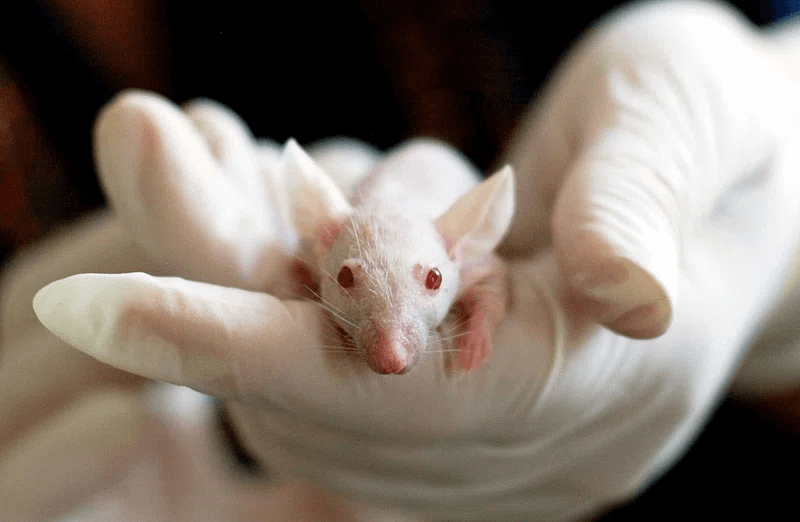
‘Humanized’ mice with fully-functional human immune systems could transform how we test cancer drugs

Credit: Rawpixel
Credit: Rawpixel

Scientists at UT Health San Antonio have engineered the world’s first humanized mouse model with a fully functioning human immune system, marking a breakthrough for biomedical research that could transform immunotherapy development and disease modeling.

Mice are often used in biomedical research because they are small and genetically similar to humans in many ways. Still, many of the rodent’s immune response genes are incongruent with humans, making it difficult to predict human immune responses.

According to a news release from UT Health, scientists have been creating “humanized” mice since the 1980s but none have had fully functional human immune systems — until now.

The goal of the multiyear project was to overcome the limitations of currently available living human models by creating a humanized mouse with a complete human immune system and humanlike gut microbiome capable of mounting specific antibody responses, according to a news release from the university.

Mis- and disinformation are distorting science and public policy. Subscribe to our Daily and Weekly Digests for incisive coverage of ‘disruptive’ innovations in AI, agricultural biotechnology, food, chemicals, nuclear energy, vaccines, and other disruptive innovations.

Casali, who has almost five decades of experience in immunology and is a leading researcher in molecular genetics, said the discovery opens up opportunities for in vivo experimentation for immunotherapies such as cancer checkpoint inhibitors, disease modeling and the development of human bacterial and viral vaccines.


This is an excerpt. Read the original post here

Related Articles

Infographic: Global regulatory and health research agencies on whether glyphosate causes cancer

Infographic: Global regulatory and health research agencies on whether glyphosate causes cancer

Does glyphosate—the world's most heavily-used herbicide—pose serious harm to humans? Is it carcinogenic? Those issues are of both legal and ...

Most Popular

ChatGPT-Image-Mar-10-2026-01_39_01-PM
Viewpoint—“Miracle molecule” debunked: Why acemannan supplements don’t work
Screenshot-2026-09-22-at-12.26.15-PM
‘Forever chemical’ concerns: Separating hysteria from reasonable concern in the debate over PFAS danger
AI Doctor with a Digital Neural Head
Utah becomes first state to empower AI to bypass doctors and prescribe certain drugs
Radioactive-Americana-Collage-2
The kooky logic behind the raft of spurious cancer claims from Harvard’s T.H. Chan School of Public Health
AI-Force-Uniform-Insignia-Close-Up
Trump wants an AI Force like Space Force, but that could make AI’s risks harder to manage
Screenshot 2026-07-29 at 10.40
The COVID vaccine turbo cancer scare is back. Science still proves it’s wrong.
Screenshot-2026-09-22-at-10.54.12-AM
‘They misunderstand science’: Research attempting to tie autism to changes in the gut microbiome comes under fire
Screenshot-2026-09-28-at-11.26.17-AM
Viewpoint: Wellness movement activists reposition nicotine from a killer addictive drug into a cure-all for brain ills
ChatGPT-Image-Jun-25-2026-12_23_17-PM
No, Bill Gates did not secretly engineer ticks to promote veganism
Screenshot-2026-10-07-at-2.00.02-PM
9 wellness myths busted
glp menu logo outlined

Get news on human & agricultural genetics and biotechnology delivered to your inbox.